Removable or Fixed? Contemporary Treatment Planning & Digital Workflows for Edentulous and Failing Dentitions
Practical solutions for every patient — a two-day, evidence-based framework for choosing between conventional dentures, implant overdentures, fixed hybrids, and FP1 restorations.
Choosing the right treatment, with confidence
Edentulous and failing dentitions remain among the most challenging conditions encountered in contemporary dental practice. While advances in implant dentistry have dramatically expanded treatment possibilities, clinicians are frequently faced with a critical question: when should a patient be treated with a conventional denture, implant overdenture, fixed hybrid prosthesis, or a highly esthetic FP1 restoration? The answer requires far more than technical knowledge — it demands a comprehensive understanding of biologic principles, occlusion, esthetics, patient expectations, financial considerations, restorative limitations, surgical requirements, and long-term maintenance. This intensive two-day program provides a practical and evidence-based framework for selecting the most appropriate treatment option for every patient.
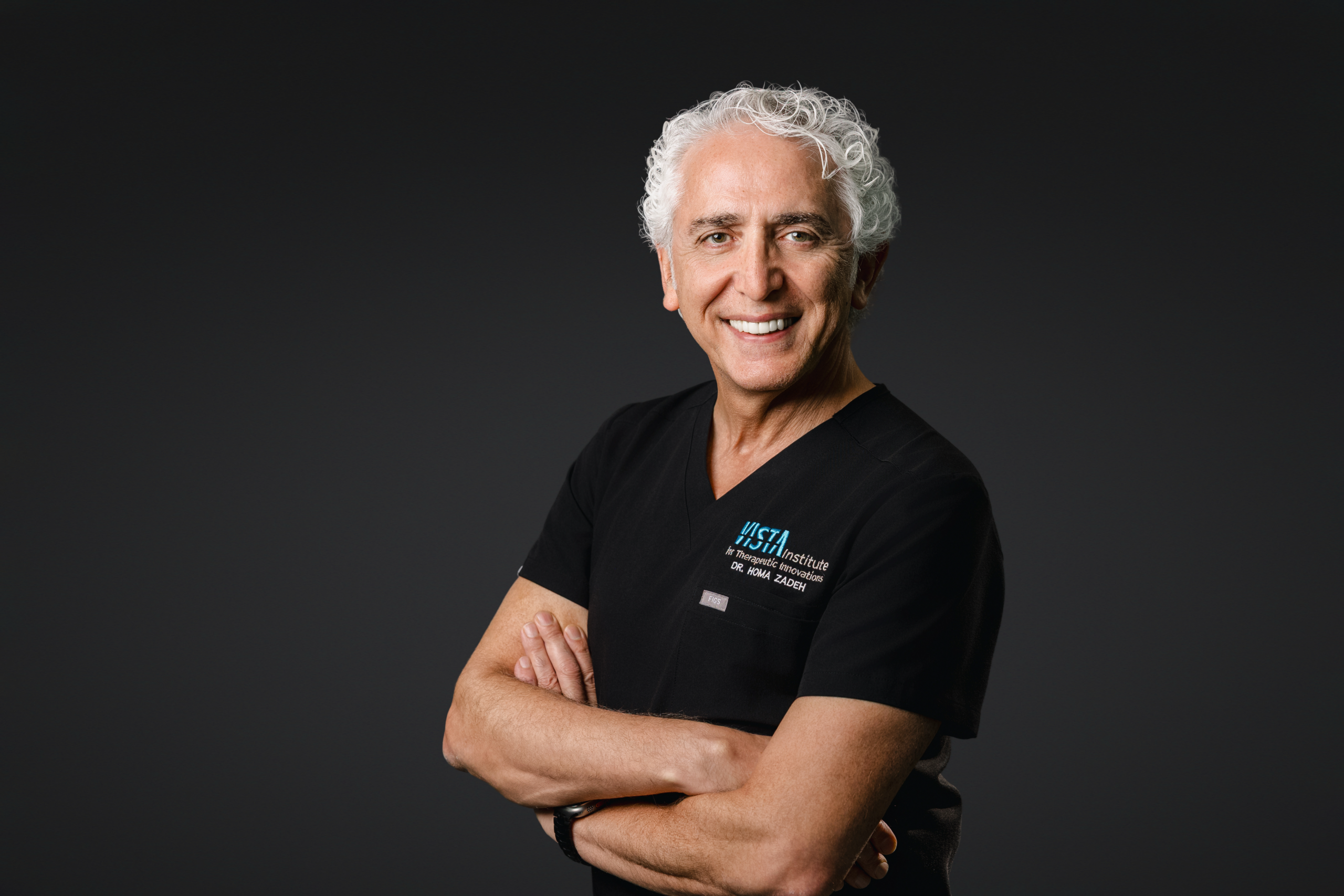
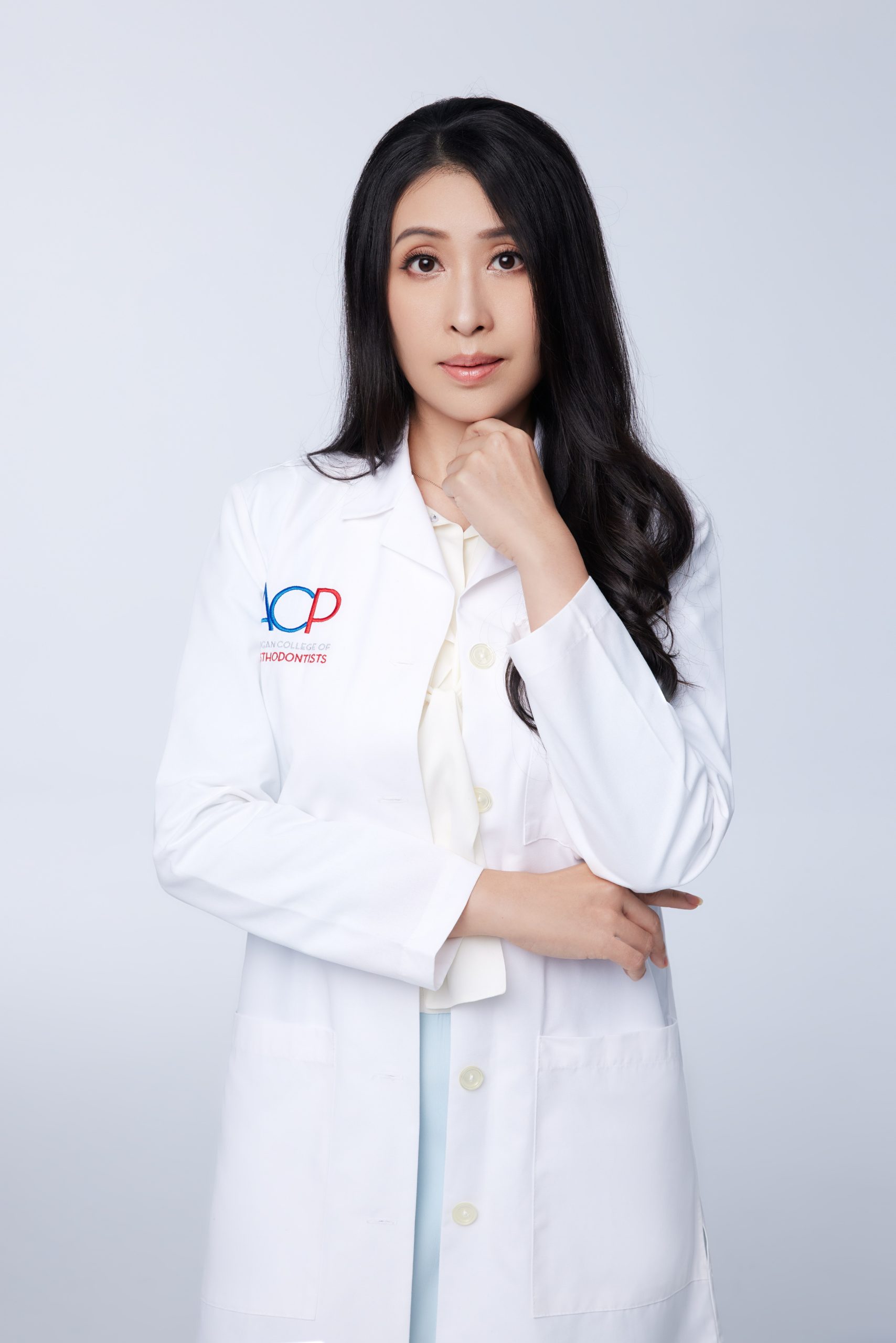
Combining the complementary expertise of Drs. Lyndon Cooper, Selene Kuo, and Homa Zadeh, this program integrates contemporary prosthodontic concepts with advanced surgical and digital workflows — from analog and digital dentures to facial scanning, photogrammetry, prosthetically driven implant planning, guided surgery, dynamic navigation, and digital full-mouth rehabilitation. The course also addresses patient communication, case acceptance, and financial presentation, giving attendees practical protocols they can implement immediately to improve outcomes, treatment acceptance, and practice growth.
Complementary expertise in prosthodontics, implant surgery, and digital workflows
What you’ll be able to do by the end of the program
Hands-On Workshop Objectives
- Compare Locator and bar-retained overdenture concepts
- Perform attachment placement and maintenance procedures
- Evaluate implant positioning for removable and fixed restorations
- Utilize facial scans, intraoral scans, and photogrammetry in treatment planning
- Practice digital treatment-planning workflows
- Apply decision-making algorithms through clinical cases
- Select restorative components for full-arch implant therapy
Two lecture blocks, two hands-on workshops
Diagnosis, Treatment Planning & Removable Implant Therapy
- Assessment of edentulous and failing dentitions
- Patient expectations, treatment acceptance, and financial considerations
- Conventional, analog, and digital complete dentures
- Esthetic tooth arrangement and face-driven smile design
- Occlusion, vertical dimension, and facial scanning
- Implant overdentures: Locator vs. bar-retained, evidence and outcomes
- Transition pathways: denture → overdenture → fixed restoration
Workshop I — Implant Overdenture Concepts & Attachments
- Locator attachments
- Bar-retained overdentures
- Attachment maintenance and troubleshooting
- Clinical decision-making exercises
Fixed Implant Therapy & Contemporary Digital Workflows
- Fixed hybrid prostheses; FP1, FP2 and FP3 concepts
- Prosthetic space analysis and restorative design
- Intraoral scanning, photogrammetry, and vertical dimension registration
- AI applications in full-arch treatment planning
- Prosthetically driven implant planning and digital surgical workflow
- Static guided surgery versus dynamic navigation
- Implant components, complications, and long-term maintenance
Workshop II — Digital Full-Arch Planning & Implant Positioning
- Face-driven treatment planning
- Digital implant planning and guide design concepts
- Navigation workflows
- Component selection and interactive treatment-planning exercises
Prosthodontists, periodontists, oral surgeons, and general dentists placing or restoring full-arch implant cases.
What you’ll leave with
- Select the right treatment modality with confidence
- Integrate digital and conventional workflows effectively
- Improve patient acceptance of comprehensive treatment
- Enhance communication among surgeons, restorative dentists, and laboratories
- Reduce complications and improve long-term outcomes
- Implement practical protocols immediately in practice
Find us at VISTA Institute
Address
6325 Topanga Canyon Blvd., Suite 101
Woodland Hills, CA 91367
We’re located on the 1st floor, to the right of the elevator.
Parking
Our parking lot is free on weekends and paid during weekdays ($15 maximum charge).
For a map of our location and where to park, click here.
Planning your trip
Nearest Airports
- Burbank (Hollywood Burbank Airport): 20–30 minutes away
- LAX: 30–45 minutes away
Nearby Hotels
Warner Center Marriott Woodland Hills
21850 Oxnard St, Woodland Hills, CA 91367
(818) 887-4800
Special rate available with promo code “B6512” at marriott.com
Hilton Woodland Hills/Los Angeles
6360 Canoga Ave, Woodland Hills, CA 91367
(818) 595-1000
Joining online
You will be auto-enrolled via Zoom. Each day has a separate link, and Zoom links will be sent the week of the course date.
To award CE credits, an exam will be administered shortly after the course. You will receive a link to the online exam, and upon successful completion, your CE certificate will be sent.
Join the VISTA Annual Membership
Your annual membership includes this course and much more. Gold members can attend this course in person or remotely; Silver members can attend remotely. Both memberships also include 100s of hours of on demand content.
Gold Membership — In-Person + Remote
Best for clinicians who want full flexibility. Attend eligible lectures, symposia, and workshops in person, or join those same programs remotely when preferred.
- In-person and remote access to eligible lectures, symposia, and workshops
- 100s of hours of on demand content
- Surgical mentorship and over-the-shoulder observation opportunities for eligible clinicians
- Instrument discounts
- Peer networking with other clinicians
Silver Membership — Remote Only
Best for clinicians who prefer to learn remotely. View the same eligible lectures, symposia, and workshops remotely rather than attending on site.
- Remote access to the same eligible lectures, symposia, and workshops
- 100s of hours of on demand content
- 50% off tuition when attending an eligible course in person
Know what to expect
Participants who complete the full two-day course receive 16 CE units. In-person participants receive an official printed certificate on site.
Both in-person and remote participants receive three months of on-demand access to the course recordings. Gold and Silver members retain access for the duration of their active membership.
Tuition includes models, all required course materials, and pig jaws or cadavers when applicable. A continental breakfast and full lunch are provided both days, along with an espresso bar, coffee, snacks, and refreshments.
Cancellations made at least two weeks before the event receive a full refund. Cancellations made within two weeks may be reduced by processing fees and the cost of participant materials already ordered, including models, pig jaws, or cadavers; the remaining balance will be refunded.
Science. Experience. Innovation. Excellence.
Register today to secure your place at Removable or Fixed?