Zygomatic, Pterygoid & Customized Implants
Expanding possibilities for the severely atrophic posterior maxilla with evidence-based protocols, advanced digital workflows, and immersive hands-on training.
Predictable anchorage where bone volume runs out
Severe atrophy of the jaws presents one of the greatest challenges in implant dentistry. Conventional grafting may be unpredictable, invasive, or require extended healing times. This intensive program explores zygomatic, pterygoid, and customized CAD/CAM patient-specific implants as solutions that use existing bone in the zygoma, pterygoid plate, or jaw surface topography for secure anchorage.
Through lectures, case reviews, and hands-on workshops, participants will study the biological principles, surgical techniques, prosthetic workflows, and digital innovations that make these therapies predictable and safe. By the end of the program, participants will be better equipped to evaluate cases, select the appropriate surgical and prosthetic approach, and streamline treatment for severely resorbed jaws.
Clinical capabilities you will build
Evaluate clinical and radiographic criteria in severely atrophic jaws.
Select zygomatic, pterygoid, customized implants, or grafting alternatives.
Recognize surgical anatomy and safe approaches for zygomatic and pterygoid regions.
Design flaps for visibility, vascularity, and reduced morbidity.
Apply biomechanical and implant-design principles for long-term stability.
Follow drilling, angulation, and fixation protocols.
Integrate soft-tissue management into long-term implant care.
Plan immediate and delayed loading protocols.
Use impression, material-selection, and restorative-design strategies for unconventional anchorage.
Apply photogrammetry, digital scanning, CBCT, and virtual planning.
Use CAD/CAM workflows for patient-specific implants and prosthetic components.
Prevent and manage complications unique to these implant types.
Two complete days of complex implant training
Diagnosis, anatomy, and surgical strategy
8:00 AM–5:00 PM
- Case selection and radiographic evaluation
- Zygomatic and pterygoid surgical anatomy
- Flap design, drilling, angulation, and fixation
- Simulated surgical workflows
Prosthetics, digital workflows, and complication prevention
8:00 AM–5:00 PM
- Immediate and delayed loading
- Photogrammetry and digital scanning
- Customized CAD/CAM implants
- Hands-on prosthetic workflow and case review
Experts in complex implant surgery and rehabilitation
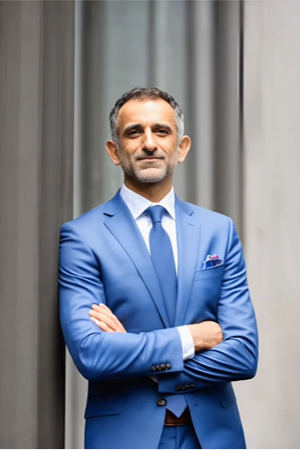
Shuaib Malik, DDS
Oral & Maxillofacial Surgeon
Read biography
Dr. Malik specializes in complex implant procedures for severe maxillary and mandibular deficiencies, including zygomatic and pterygoid implant placement and advanced facial reconstruction. He lectures worldwide on complex surgical techniques and has led craniofacial surgical mission trips across a dozen countries.
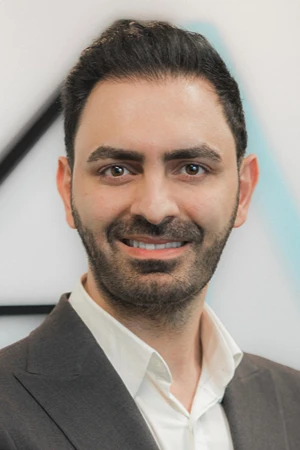
Tirakhsh Emadi, DDS, MS
Prosthodontist & Dental Implant Specialist
Read biography
Dr. Emadi is a Los Angeles-based prosthodontist board-certified by the American Board of Oral Implantology/Implant Dentistry and a Fellow of the Academy of Osseointegration. He lectures on full-arch rehabilitation, advanced implant surgery, and digital workflows.
Turn advanced concepts into a repeatable workflow
Surgical Planning
Interpret anatomy, evaluate risk, and choose the right anchorage strategy.
Simulated Surgery
Practice drilling sequences, angulation, fixation, and soft-tissue management.
Digital Prosthetics
Connect photogrammetry, scanning, CAD/CAM, and restorative design.
Plan your visit to VISTA Institute
Nearby Hotel
Warner Center Marriott Woodland Hills
21850 Oxnard St, Woodland Hills, CA 91367
(818) 887-4800
Special rate available with promo code B6512 at Marriott.com.
Parking & Entrance Map

Current pricing
| Format | Tuition | Includes |
|---|---|---|
| In-Person | $1,895 | Lectures and hands-on workshops |
| Remote — Live or On-Demand | $895 | Live or on-demand lectures and workshop viewing |
Membership benefit: In-person tuition is free with Gold Membership. Remote tuition is free with Gold or Silver Membership.
Before the course
How will remote participation work?
You will be auto-enrolled through Zoom, and each day has a separate link. Links will be sent during the week of the course. Register for Zoom using the same name shown on your purchase; mismatched names will be removed.
How do remote participants receive CE credit?
An exam will be administered shortly after the course. After successful completion of the online exam, your CE certificate will be sent.
What if I miss the live event or want to rewatch it later?
You will receive complimentary access to the course recordings for six months. Annual members retain access for the duration of their active annual membership.
What does in-person tuition include?
In-person tuition includes lectures, case reviews, and hands-on workshops at VISTA Institute.
Expand what is possible for your most complex cases
Join in Woodland Hills or participate remotely.